ICOM IC-A25N Handheld NAV/COM Transceiver w/ Bluetooth – Open Box: Versatile Cockpit and Ground Communication
ICOM IC-A25N Handheld NAV/COM Transceiver w/ Bluetooth – Open Box: Versatile Cockpit and Ground Communication
Blog Article
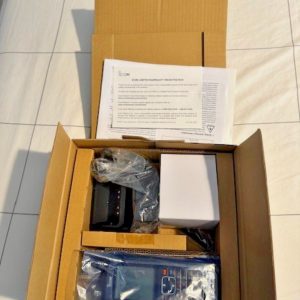
:::writingvariant="document" id="58314" ICOM IC-A25N Handheld NAV/COM Transceiver w/ Bluetooth – Open Box: Professional Aviation Backup Radio The ICOM IC-A25N Handheld NAV/COM Transceiver w/ Bluetooth – Open Box is designed for aviation users seeking a capable portable radio that can support communication and navigation-related operations. Choosing an open-box aviation radio may allow buyers to obtain advanced pilot equipment at a more accessible price than a comparable factory-sealed package. A dependable ICOM IC-A25N Handheld NAV can become an important part of a pilot’s flight bag by providing portable communication capability whenever installed aircraft equipment is unavailable. An ICOM IC-A25N Aviation Radio can support communication between pilots, air traffic services, flight instructors, ground personnel, and other aviation users where authorized. An ICOM IC-A25N Handheld Radio offers mobility that panel-mounted equipment cannot provide, allowing users to communicate from the aircraft, ramp, hangar, or operations area. As a Handheld NAV/COM Aviation Transceiver, the unit combines portable communication with navigation-related functions in one organized device. Whether the intended use involves a Handheld Aviation Radio, Aviation NAV/COM Radio, Pilot Handheld Radio, or Aircraft Communication Radio, dependable battery and antenna performance remain important. The product can support pilots seeking a Portable Aviation Transceiver, Aviation Navigation Radio, ICOM Pilot Radio, or dependable Backup Aircraft Radio.
Exploring the ICOM IC-A25N NAV/COM Platform
This handheld transceiver offers pilots a convenient way to carry aviation communication equipment independently of the aircraft’s installed radio system. Its practical value comes from combining mobility, recognizable controls, aviation-focused operation, rechargeable power, and multiple communication or navigation functions. A handheld radio can provide valuable support, but performance may depend on antenna position, aircraft structure, terrain, distance, interference, battery condition, and operating environment. Familiarity transforms a portable radio from stored equipment into a practical and dependable operational resource.Benefits of the ICOM IC-A25N Handheld NAV
A handheld NAV radio can be valuable to flight instructors who demonstrate aviation communication and navigation concepts during training. Aircraft owners may keep the radio available when maintenance temporarily removes power from installed communication equipment. Navigation features should support rather than replace required pilot preparation, approved navigation equipment, current charts, and appropriate operational judgment. The radio should be stored securely so it does not interfere with controls, visibility, passengers, or emergency egress.Choosing an ICOM IC-A25N Aviation Radio
Aviation professionals can carry the IC-A25N when moving between aircraft instead of depending entirely on equipment installed in one cockpit. Flight instructors can use the device as supplemental equipment during ground lessons, aircraft walkarounds, and selected training exercises. A complete written inventory helps purchasers compare the open-box price with the cost of replacing missing accessories separately. An independent review may provide additional confidence when the radio cannot be examined in person.ICOM IC-A25N Handheld Radio Portability
The handheld format allows the radio to move with the pilot between personal, rental, training, business, and club aircraft. The antenna should be protected from bending or crushing while the radio is transported with other equipment. Pilots can practice with the radio at home or in a classroom while following the applicable manual and operating guidance. A portable radio should not be left in extreme heat, direct sunlight, freezing conditions, or damp environments for extended periods.Choosing a Handheld NAV/COM Aviation Transceiver
The device may be especially valuable to pilots who operate older aircraft, rented aircraft, or airplanes with limited redundancy. Commercial value depends on condition, package completeness, included equipment, seller support, and the cost of any missing accessories. The radio should be inspected before every important flight for battery charge, antenna security, control response, display condition, volume setting, and physical damage. An equipment log may be helpful for flight schools, shared aircraft, or aviation businesses where several users handle the same device.Handheld Aviation Radio Applications
Portable radio access can improve operational flexibility when users move frequently between aircraft and aviation environments. A handheld unit is most valuable when charged, accessible, tested, and familiar to the pilot before it is required. Accessories such as approved headset connections or suitable external antenna arrangements may influence convenience and performance. Responsible communication protects website aviation operations and helps users gain the full value of a professional handheld radio.Benefits of an Aviation NAV/COM Radio
An Aviation NAV/COM Radio gives pilots portable access to communication and navigation-support features that may complement installed cockpit avionics. The user should understand how to move efficiently between communication and navigation functions without becoming distracted. The radio’s navigation-related functions should be used within the limits described by the manufacturer and the requirements of the intended operation. The antenna should be attached properly and protected from interference with controls or cockpit movement.Maintaining a Pilot Handheld Radio
A Pilot Handheld Radio offers flexibility to aviation professionals whose work involves several aircraft, airports, and operational environments. Pilots should decide before departure where the radio will be located and how it will be retrieved during an abnormal situation. Pilots can include the handheld in periodic proficiency exercises without making unauthorized or unnecessary transmissions. The radio’s charging schedule should reflect how often it is used and how long it remains stored between flights.Portable Aircraft Communication Radio
An Aircraft Communication Radio supports communication between pilots, air traffic services, other aircraft, flight instructors, and authorized ground personnel. Pilots should listen before transmitting, speak clearly, keep messages relevant, and verify that the correct frequency is selected. Users should establish realistic expectations by testing the radio in normal conditions rather than assuming identical range to panel equipment. The radio should be protected from impact, vibration, liquid exposure, extreme temperature, and damaged accessories.Using a Portable Aviation Transceiver
The ability to carry the radio personally helps operators maintain access to familiar controls and stored settings. A portable unit is easier to transport than installed avionics, but it also requires careful management of batteries, antennas, chargers, cables, and accessories. Bluetooth operation should be tested in advance because pairing status, battery condition, compatibility, audio routing, and device settings can influence performance. Wireless convenience should not replace disciplined equipment checks and familiarity with standard radio controls.Aviation Communication Device Applications
The ideal device balances functionality with an interface the user understands and can operate confidently. Buyers should avoid assuming that open-box always means unused or that every accessory remains included. Aviation businesses should establish procedures for cleaning shared microphones, headsets, controls, and surfaces where appropriate. A radio configured for one headset or training environment may need adjustment before being issued for another application.Maintaining a Handheld Aircraft Radio
Flight instructors can carry the radio during aircraft walkarounds, ramp exercises, and selected student-training activities. A handheld unit allows maintenance personnel to confirm communication-related information while aircraft power remains disconnected. The unit must remain accessible without forcing the pilot to look away from primary responsibilities for an extended period. After ground or cockpit use, the radio should be checked for dirt, moisture, fuel residue, oil, impact damage, and accessory wear.Aviation Navigation Radio Applications
A combined navigation and communication unit can help pilots maintain familiarity with one device rather than carrying unrelated portable tools. The radio should be configured on the ground whenever possible instead of during high-workload cockpit operations. The device should become part of a layered navigation and communication strategy rather than the sole source of critical information. The manual and quick-reference information should be available until the pilot can use important functions confidently.Using an ICOM Pilot Radio
Pilots may choose an ICOM Pilot Radio because they want one familiar handheld device for training, travel, cockpit backup, and ground operations. A complete and well-documented package can be more valuable than a lower-priced unit missing essential equipment. Buyers should compare the offered radio with their headset, Bluetooth devices, aircraft environment, charging resources, and expected operating frequency. Responsible ownership allows an ICOM Pilot Radio to remain a useful communication and navigation resource for many aviation activities.Emergency Aviation Radio Benefits
A handheld radio may support a pilot’s response to an abnormal situation by providing portable communication capability independent of the main panel system. Users should practice essential operation under calm conditions so frequency entry and audio adjustment remain manageable under stress. Redundancy is strongest when the user has more than one practical method of hearing and transmitting with the device. Emergency equipment checks can be scheduled with annual inspections, proficiency reviews, seasonal preparation, or flight-bag audits.Choosing a Backup Aircraft Radio
A portable radio may also support communication when an aircraft is on the ground with its electrical system disconnected or undergoing avionics maintenance. A dependable backup radio is the result of consistent preparation rather than the assumption that unused equipment remains ready. Each audio method should be tested in advance under realistic cockpit noise conditions. Backup planning should also consider how the aircraft will be flown, navigated, and managed while the pilot is using the portable radio.Inspecting an Open-Box ICOM IC-A25N
An open-box ICOM IC-A25N should be inspected for cosmetic condition, display quality, button response, antenna security, battery fit, connector condition, and evidence of previous use. Buyers should ask whether the radio was displayed, returned, tested, paired, charged, transmitted with, or previously registered. Navigation and communication menus should respond normally without freezing, unexpected shutdowns, or intermittent controls. The radio should be protected from impact, moisture, static, loose movement, and pressure during transportation.Long-Term Ownership of an ICOM IC-A25N
The radio should be inspected according to usage frequency, storage duration, operating environment, and the importance of its backup role. Inspection frequency may need to increase when the device is shared, carried daily, used outdoors, exposed to maintenance environments, or stored in an aircraft.- Examine high-use areas regularly and document any repair, battery replacement, charging concern, impact, or intermittent operation.
- Keep the operating guide or a simple quick-reference resource accessible until important functions are fully familiar.
- Charge and store the battery according to appropriate guidance while keeping all accessories labeled and together.